
SPACETRC / COSMOS DISCOVERY CENTRE
From one world
to countless questions.
Explore planets. Find stars. Investigate the science behind a mission.
Cosmos is a shared discovery space within SpaceTRC. We connect three-dimensional models with sourced research dossiers and sky data with mission stories. Start with whatever interests you; let each layer lead to a new question.
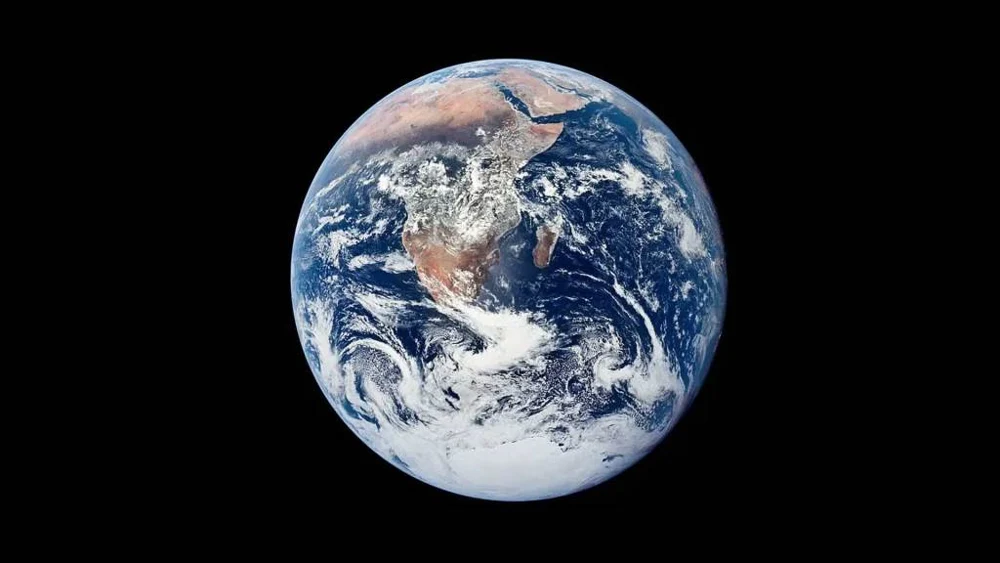
01 / SOLAR SYSTEM
Each world, another investigation.
Eight sourced planet dossiers, from interiors and atmospheres to moons and mission archives.
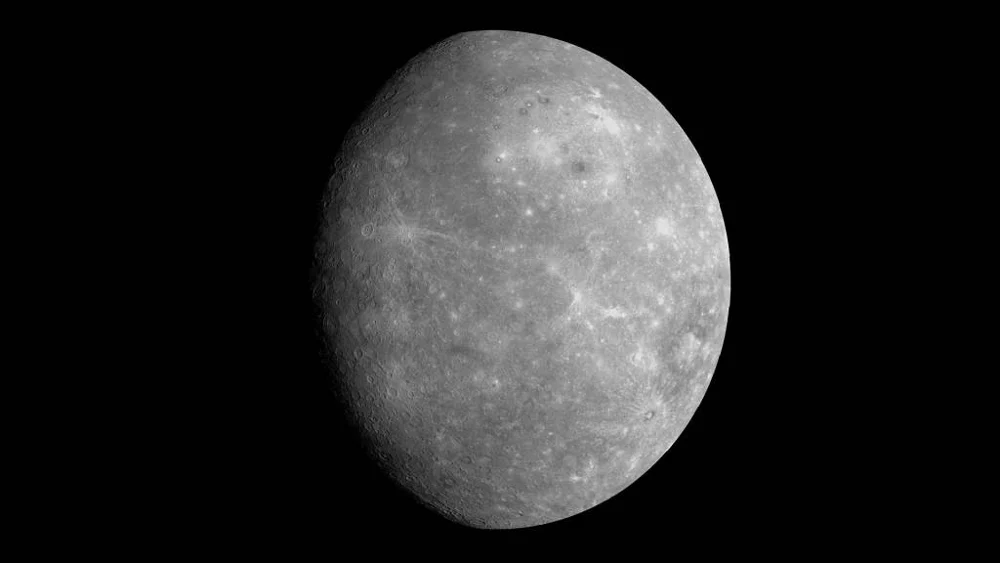
Mercury
A world of craters, a large core and extreme temperatures.
Explore the dossier ↗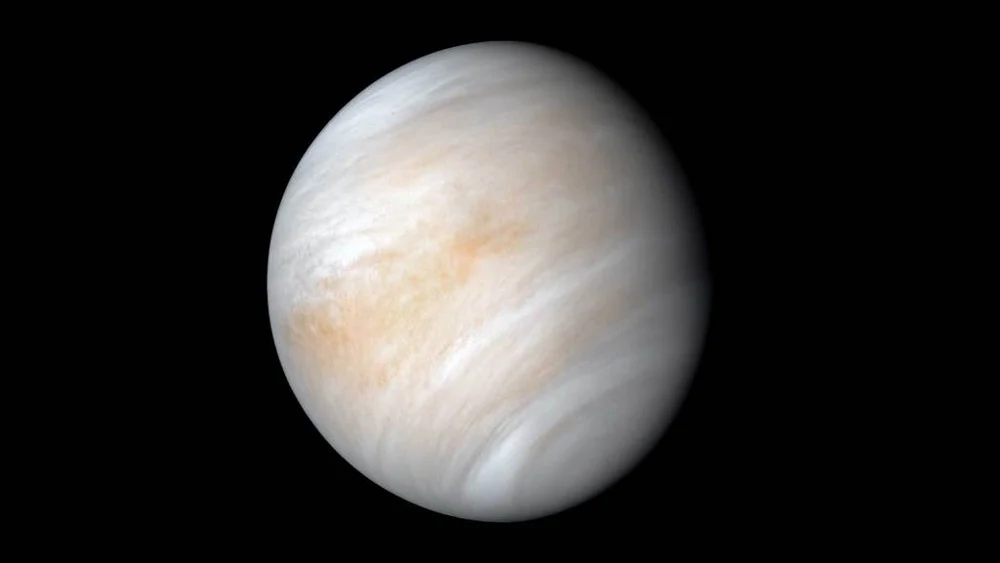
Venus
Two worlds of similar size, with very different climate histories.
Explore the dossier ↗Earth
The only world where life is known; a reference for comparative planetary science.
Explore the dossier ↗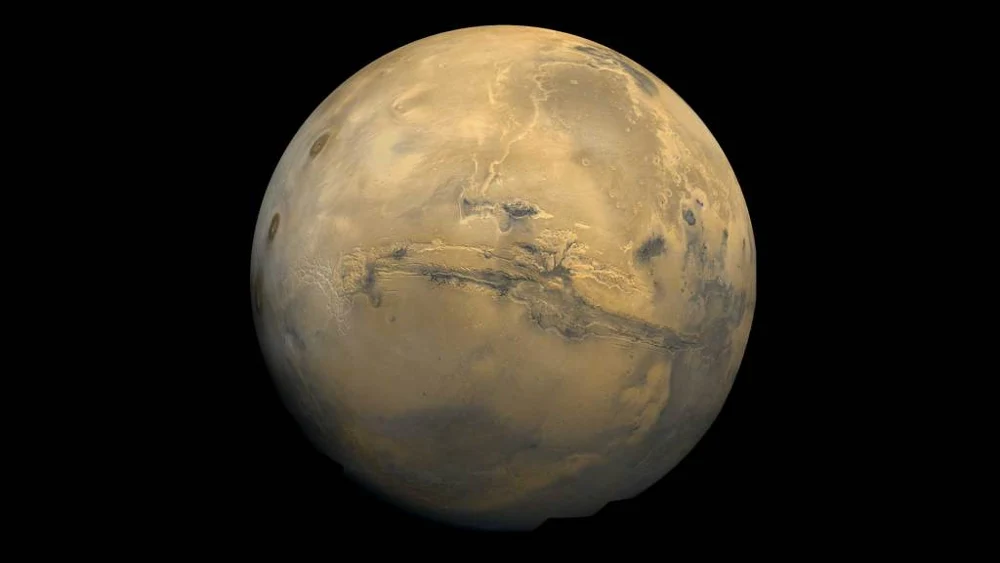
Mars
From traces of ancient water to the changing conditions of planets.
Explore the dossier ↗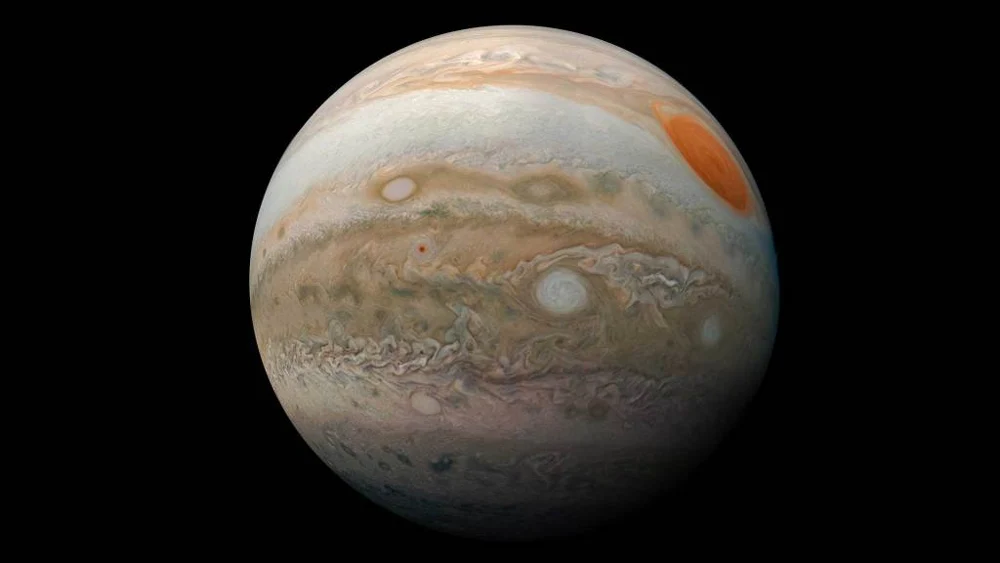
Jupiter
A vast atmosphere, a powerful magnetic environment and moons that are worlds in their own right.
Explore the dossier ↗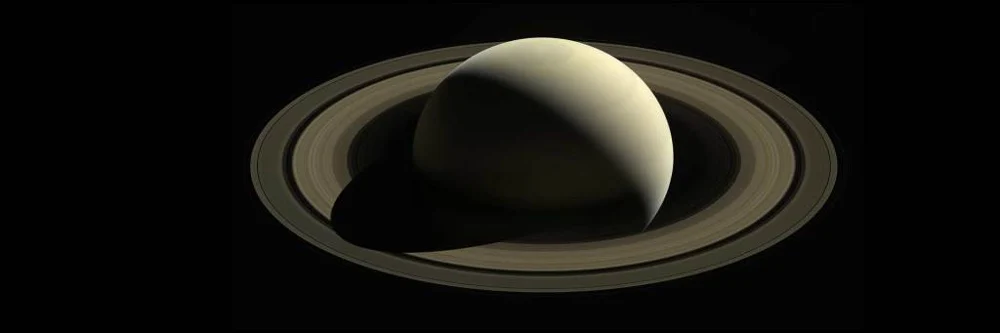
Saturn
Rings that form a disc, and moons that form a research laboratory.
Explore the dossier ↗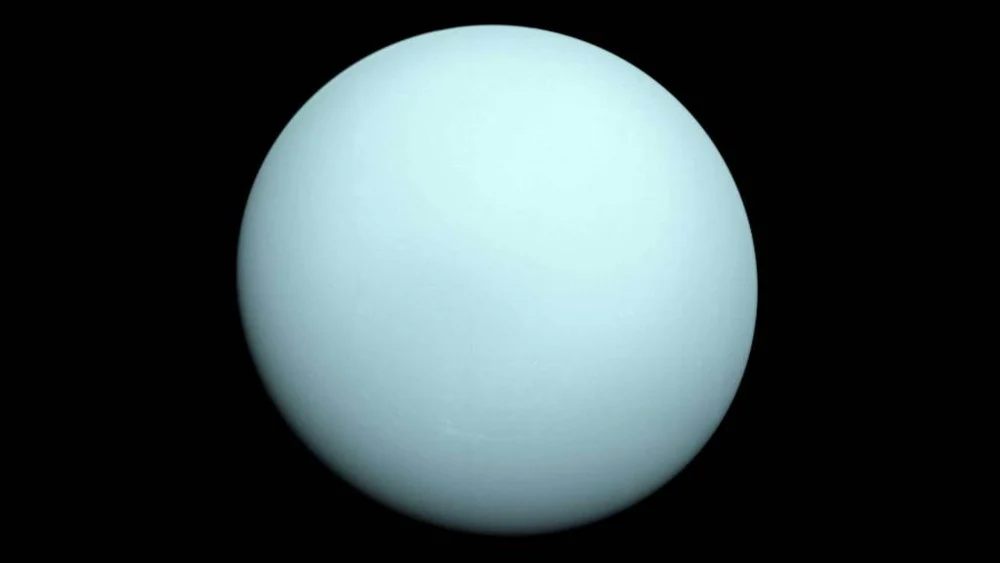
Uranus
A tilted axis, extreme seasons and a world still sparsely explored.
Explore the dossier ↗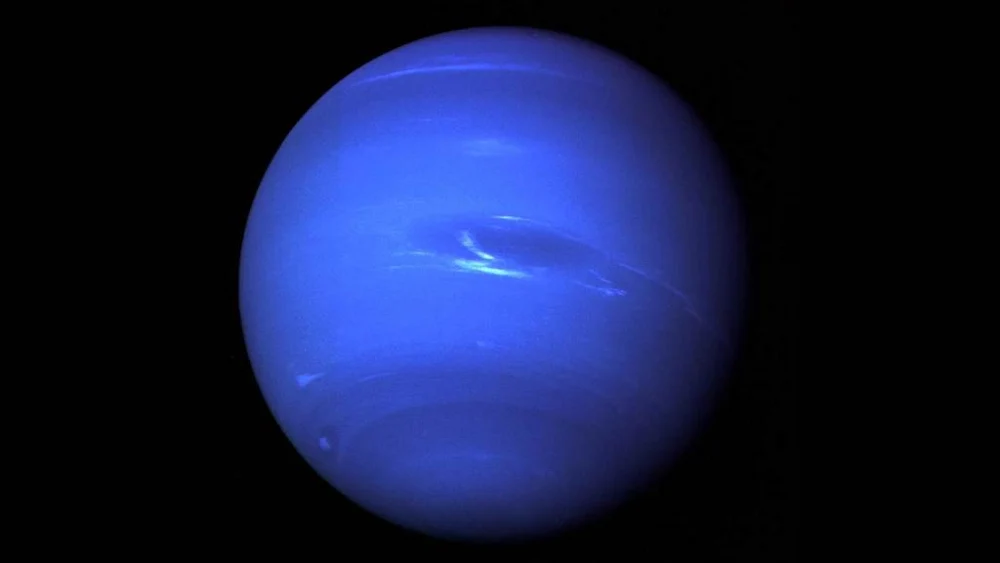
Neptune
Powerful atmospheric motion under weak sunlight.
Explore the dossier ↗Jupiter image: Kevin M. Gill (CC BY), processed from NASA / JPL-Caltech / SwRI / MSSS data. Image source and licence details ↗
02 / THE SKY IS MORE THAN A CATALOGUE
Find a star.
Consider the distance behind it.
Compare positions and brightnesses in the star atlas. Discover why points appearing next to each other in a constellation need not be close together in space. The atlas explains the catalogue, reference epoch and measurement limits it uses.
03 / THE ENGINEERING OF EXPLORATION
One destination. One spacecraft. One scientific question.
Six mission dossiers consider scientific objectives together with mission architecture.
Voyager 1 and 2
From a planetary tour to research on the interstellar environment.
Cassini–Huygens
Years observing Saturn, with a probe that reached Titan’s surface.
Perseverance
Investigating Jezero’s ancient environments in place.
Europa Clipper
Investigating the conditions for habitability on an icy moon.
Apollo 11
Crewed surface exploration, samples and support systems in lunar orbit.
Rosetta and Philae
Travelling alongside a comet rather than merely visiting it.
04 / THE SAME UNIVERSE, DIFFERENT LIGHT
Making the invisible
measurable.
A telescope does not measure every wavelength in the same way. Infrared, visible light, X-rays and precise position measurements complement each other. Each observatory dossier explains its methods, data interpretation and limits of inference.
Explore images with source explanations05 / FROM 1609 TO MODERN OBSERVATORIES
The next step in discovery
grows from the previous question.
Follow 32 source-linked milestones on the timeline. Build your own research route through scientific discoveries, spaceflight, observatories and Türkiye.
Explore space history06 / CHANGE IT TO UNDERSTAND IT
Test what you read in a model.
GO TO THE SOURCE
Turn reading into research.
Editorial review: . Mission status and catalogues can change; consult the official source for current information.